
Condos for Sale in Kelowna
How Much Does a New Condo Cost in Kelowna, BC?
The price is only part of it. Here is what sits on top of a new condo's price in BC, with a calculator for your own numbers.
Read the guide
If you buy in Kelowna and won't live in the home full time, this annual BC tax decides what a second home costs to hold.
Condos for Sale in Kelowna4 min read
By the Serenity team. Published , checked .
Most useful for: People moving from Alberta or the Lower Mainland, First-time buyers.
The speculation and vacancy tax is the BC tax that out-of-province buyers most often meet only after they own. It is charged once a year, it depends on how the home was used in the previous calendar year and on the owner's tax residency, and it applies in the City of Kelowna, West Kelowna, Lake Country and Peachland, among other places.
Here is how it works for a condo, from the province's own pages, read on October 9, 2026. It is general information; the province's legislation and your accountant decide your case.
Yes, it applies. Kelowna is one of BC's designated speculation and vacancy tax areas, so every owner must declare by March 31 each year. A home you live in as your principal residence, or rent to a tenant for at least 6 months of the year, is generally exempt. Otherwise the 2026 rate is 1% of assessed value for Canadian citizens and permanent residents and 3% for foreign owners and untaxed worldwide earners, rising to 4% for that group in 2027.
Rates and rules read from the Government of BC on October 9, 2026.
Every owner on title declares separately, every year, even when exempt. Letters go out between mid-January and mid-February, the declaration is due by March 31, and any tax owing is due on the first business day in July. If you do not declare, the province charges the tax at its maximum rate.
The tax applies only to property classed as residential and located in a designated area. The province's location map confirms whether a specific address is inside one.
The rate depends on who you are for tax purposes, not on the property. Untaxed worldwide earners are a category of taxpayer the province defines in its terms and definitions; it includes members of a satellite family.
| Owner | 2019 to 2025 | 2026 | 2027 |
|---|---|---|---|
| Canadian citizens and permanent residents (not untaxed worldwide earners) | 0.5% | 1% | 1% |
| Foreign owners and untaxed worldwide earners | 2% | 3% | 4% |
Most owners never pay because an exemption applies. These are the ones a condo buyer is most likely to use:
Owners who are not exempt may still get a non-refundable credit. For BC residents who are Canadian citizens, permanent residents or confirmed BC provincial nominees, and not untaxed worldwide earners, the maximum credit was $2,000 a year through 2025 and is $4,000 from the 2026 tax year, applied automatically.
Owners outside BC, including Albertans with a Kelowna second home, apply separately for a credit based on the BC income they report on a Canadian tax return.
A home you buy before you move is not yet your principal residence for this tax, because the exemption needs you to be a BC resident for income tax purposes. The year-of-purchase exemption covers the year you take title. From the next year on, you need the principal residence exemption, which normally means living in the home and filing taxes as a BC resident, or a qualifying tenancy, or the tax applies at the rate for your category.
The federal Underused Housing Tax no longer applies: owners do not file or pay for 2025 and later years.
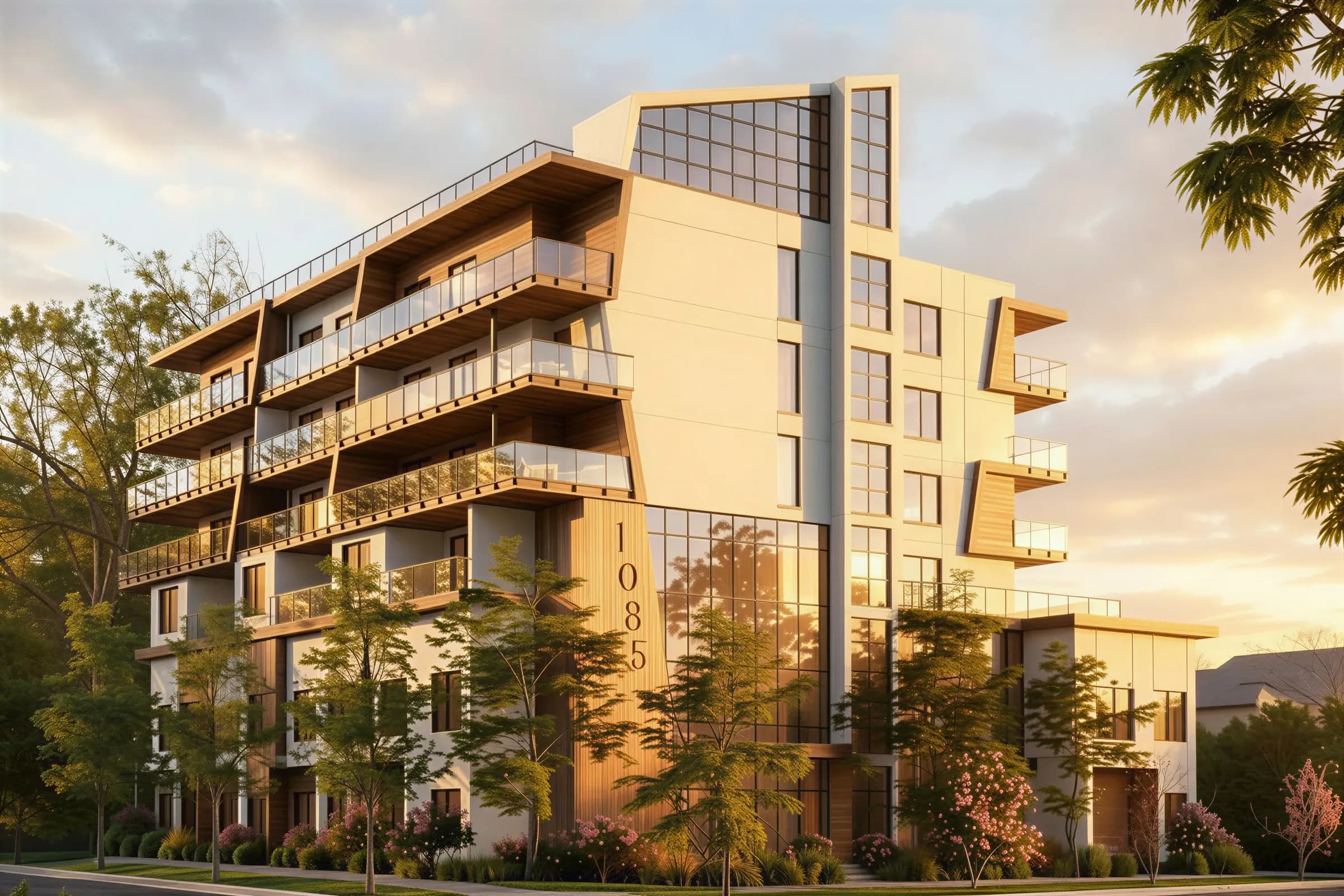
Serenity is a presale at 1085 Martin Avenue, inside the City of Kelowna, so its owners will declare each year once they hold title, and the exemptions above decide who pays. Its strata bylaws, including any rental rules that would affect the tenancy exemption, have not been published.
Every owner of a Kelowna home declares every year, including owners who expect to be exempt. Use the list as a yearly prompt, and confirm each rule with the Government of BC before you rely on it.
Tick what you have confirmed for the home you own or are about to buy.
0 of 5 checked
Your ticks stay in this browser and are not sent anywhere. General information, not legal or financial advice.
Kelowna is in BC's speculation and vacancy tax area. Every owner must declare by March 31 each year. For 2026 the rate is 1% of assessed value for Canadian citizens and permanent residents who are not untaxed worldwide earners, and 3% for foreign owners and untaxed worldwide earners, rising to 4% for that group in 2027. A home that is your principal residence, or is rented to a tenant for at least 6 months of the year, is generally exempt.
Usually not. A home you live in as your principal residence is exempt if you are a Canadian citizen or permanent resident who is a BC resident for income tax purposes and not an untaxed worldwide earner. You still declare every year, even when exempt.
There is a year-of-purchase exemption for the year you take title, if you paid property transfer tax on the purchase or qualified for the newly built home or first time home buyers' exemption. From the next year on you need another exemption or the tax applies.
A home you buy before you move is not yet your principal residence for this tax, because the exemption needs you to be a BC resident for income tax purposes. The year-of-purchase exemption covers the year you take title. After that you need the principal residence exemption or a qualifying tenancy.
General information read from these sources on the date above, not legal, tax or financial advice.
Related Guides
The price is only part of it. Here is what sits on top of a new condo's price in BC, with a calculator for your own numbers.
Read the guide
Either can be the right call. The trade-offs are concrete: tax, timing, certainty, and who carries the risk while the building goes up.
Read the guideBC's presale rules protect buyers who check them. These are the gaps that separate a well-run presale from one worth walking away from.
Read the guide